Contractor Website Design Across 7 Trades: 99 Sites
Seven trades, ninety-nine companies, and one thing in common: somebody made real decisions about how the page looks. None of these are here because they rank, and none are here because an agency filed them under portfolio.
Contractor sites fail in a narrow set of ways, which is useful, because it means the fixes are narrow too. Start with the trade closest to yours and read the notes under each screenshot.
- Galleries
- 7
- Sites
- 99
- Chosen on
- The work, not the ranking
- Updated
- 15 October 2026

Construction Website Design
Every firm here has a finished building to shoot. The question to ask of this construction website design is how little each one gets away with.
15 sites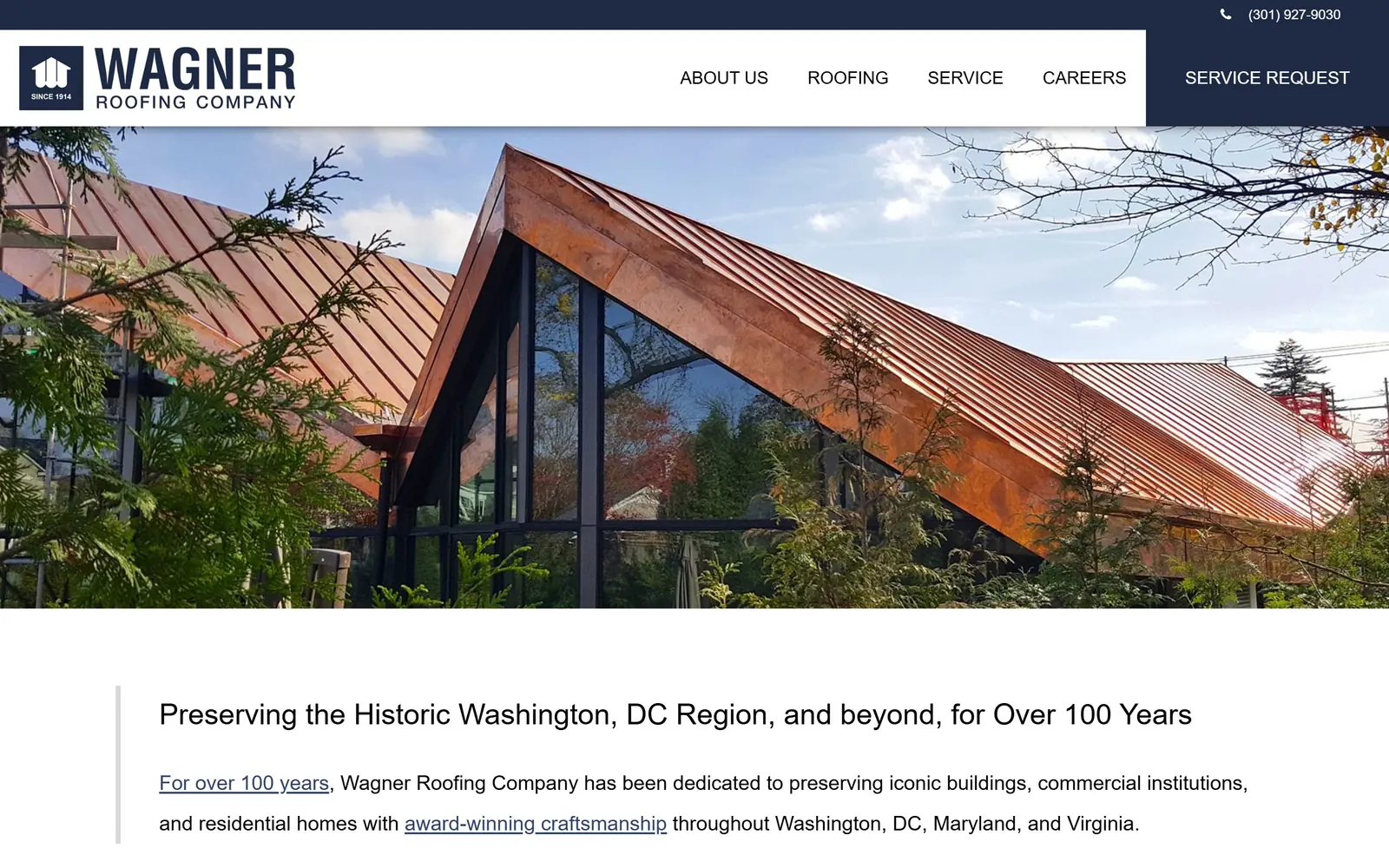
Roofing Website Design
Navy header, orange button, every time. Fifteen US companies whose roofing website design went somewhere else, with what the choice cost them.
15 sites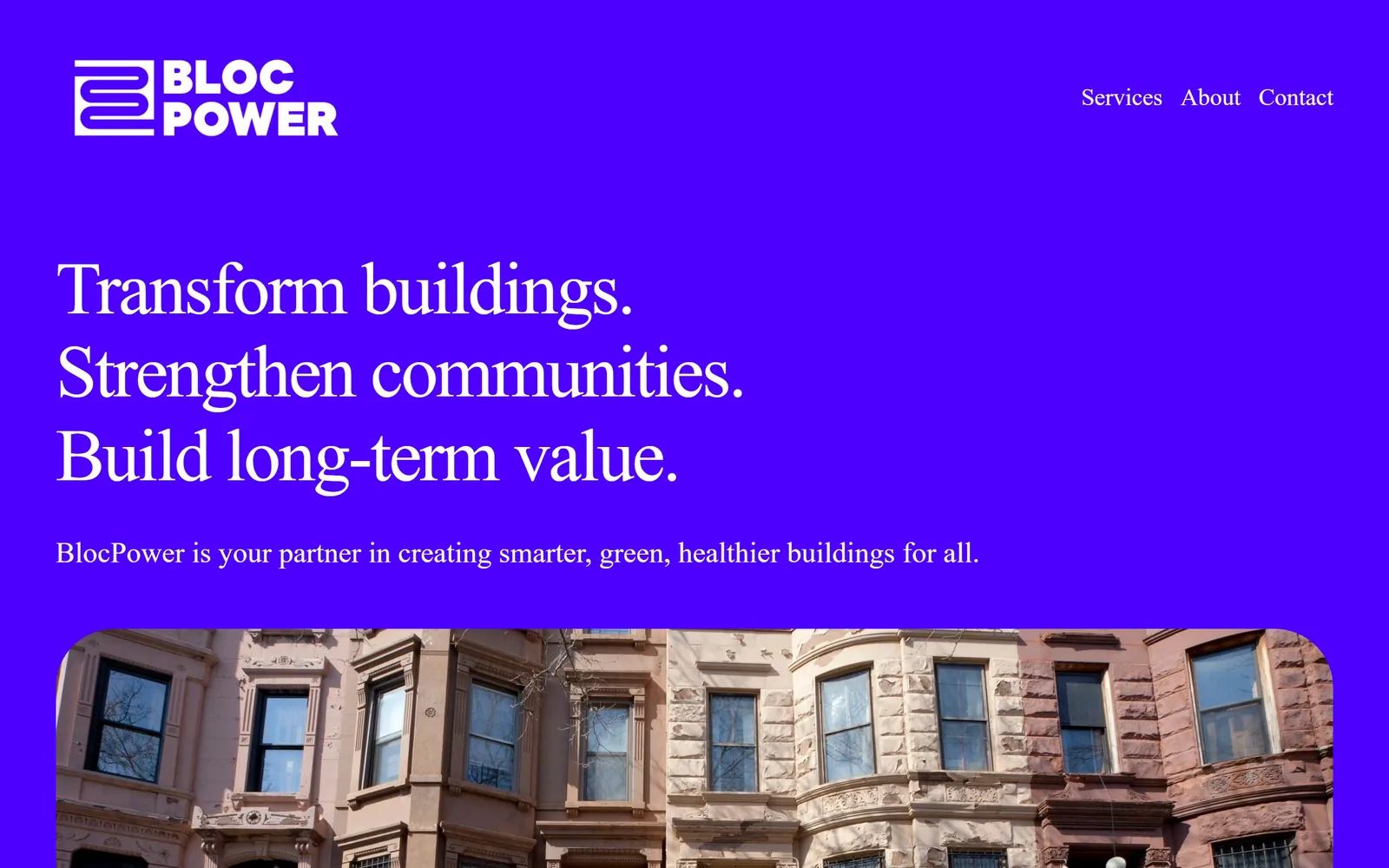
Electrician Website Design
Residential electrical is close to a design vacuum. Sixteen battery, lighting and EV firms whose electrician website design is worth stealing from.
16 sites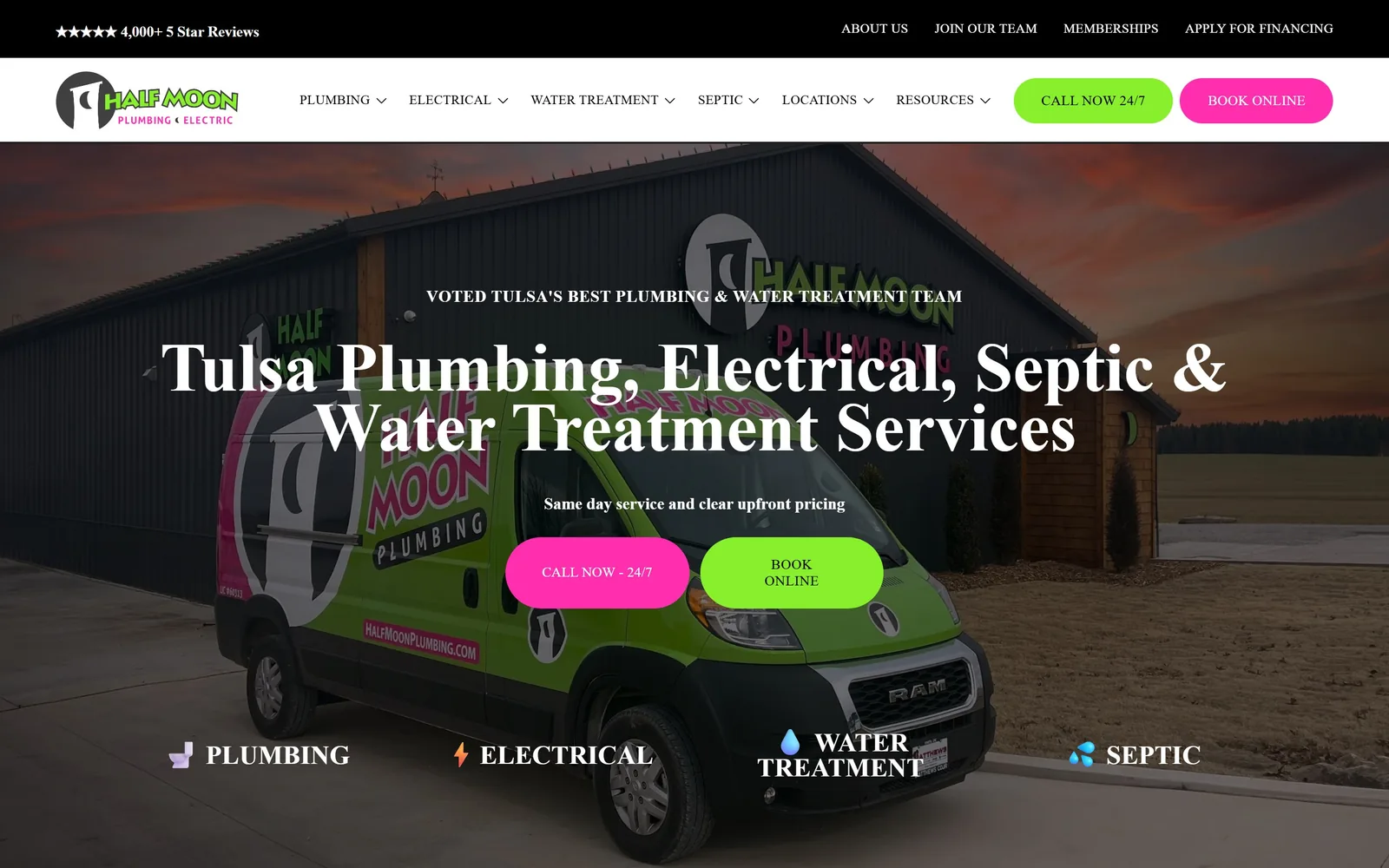
Plumbing Website Design
One van or two hundred staff, the good ideas travel both ways. Twelve pages to put in front of whoever you are paying for plumbing website design.
12 sites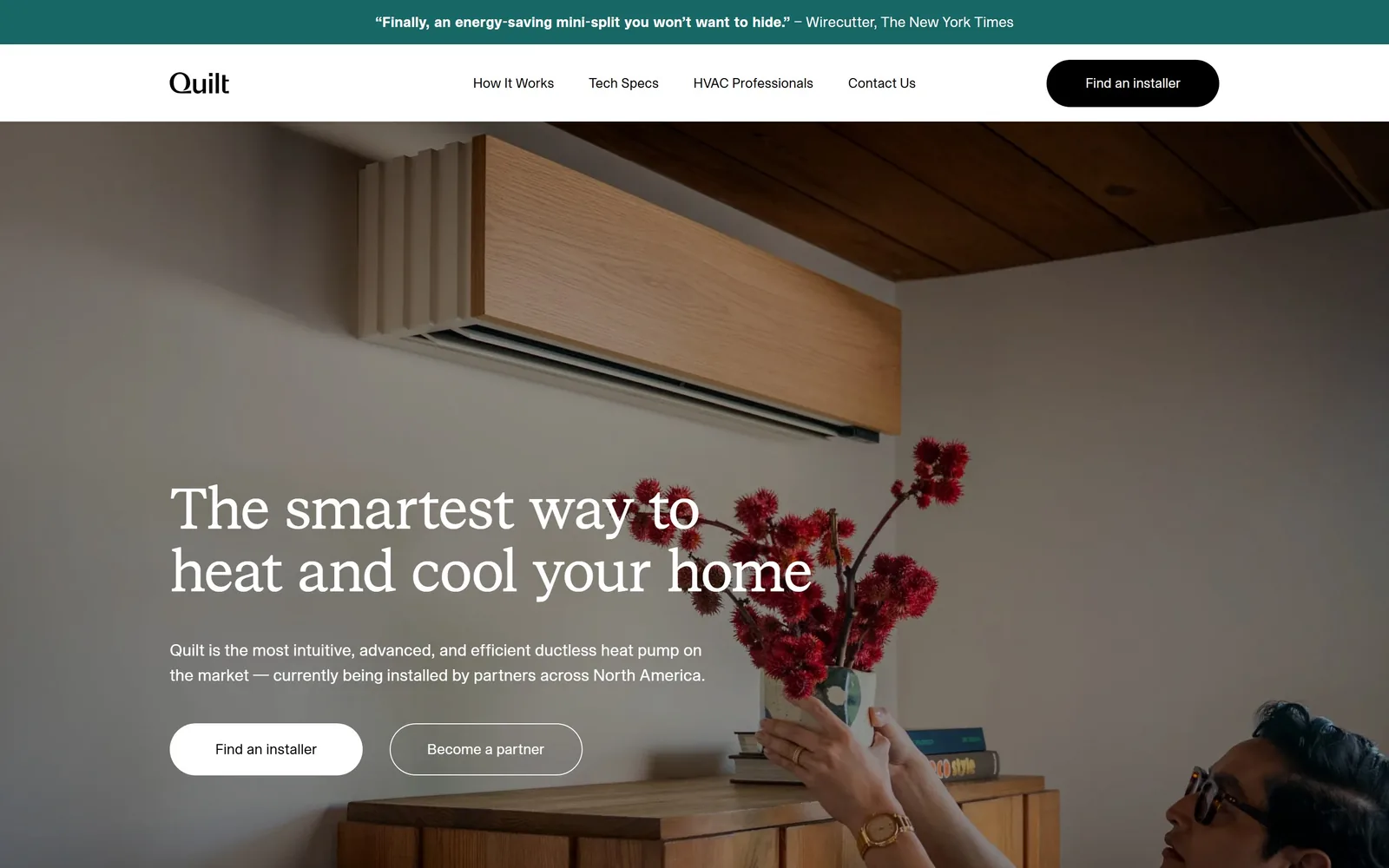
HVAC Website Design
Heat pump start-ups on one side, union mechanical contractors on the other. Across these fifteen, HVAC website design turns on who the fold is honest with.
15 sites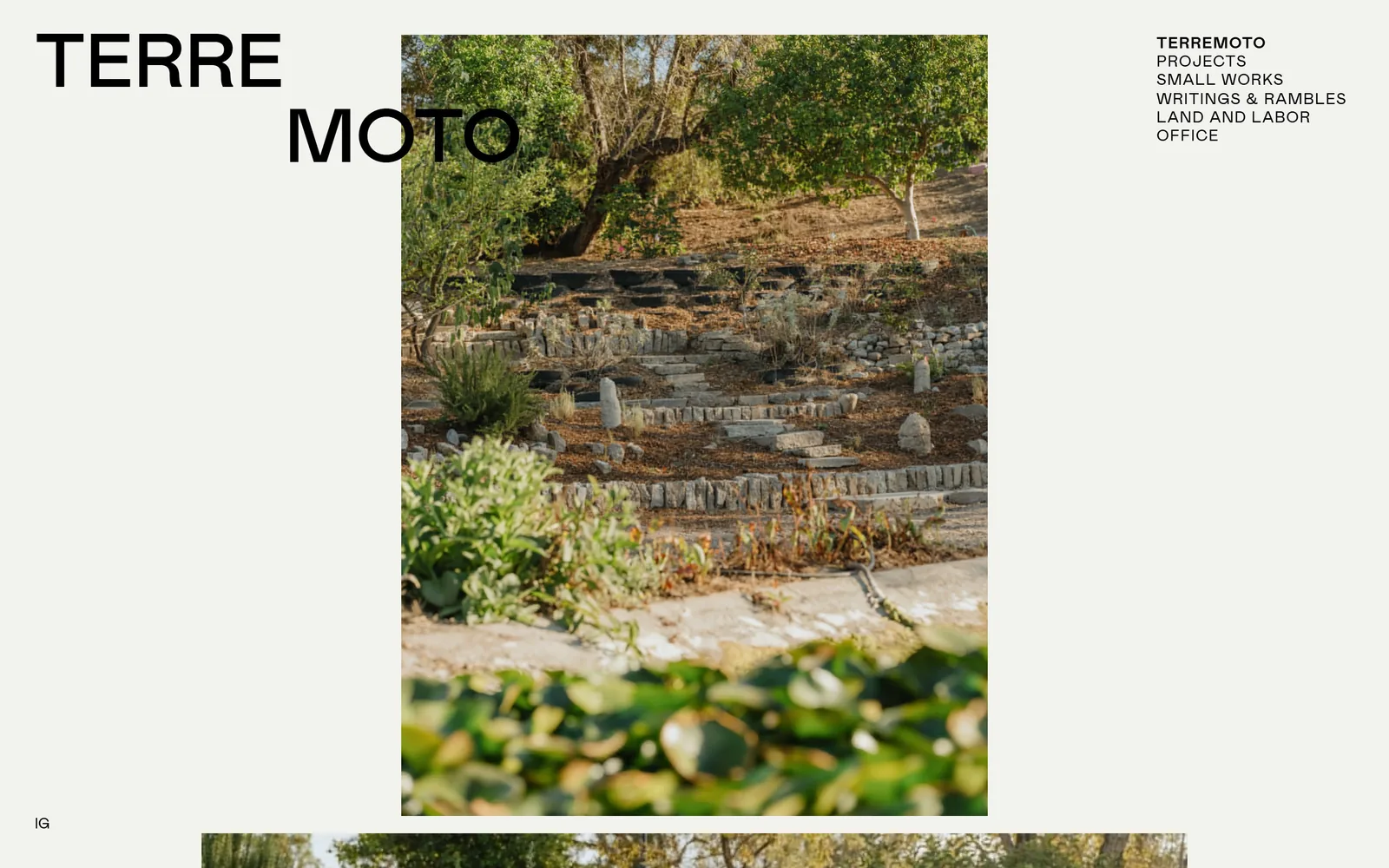
Landscaping Website Design
Choose your landscaping website design by the problem it solves, not the photograph it leads with. Fourteen studios and one engineered consumer service.
14 sites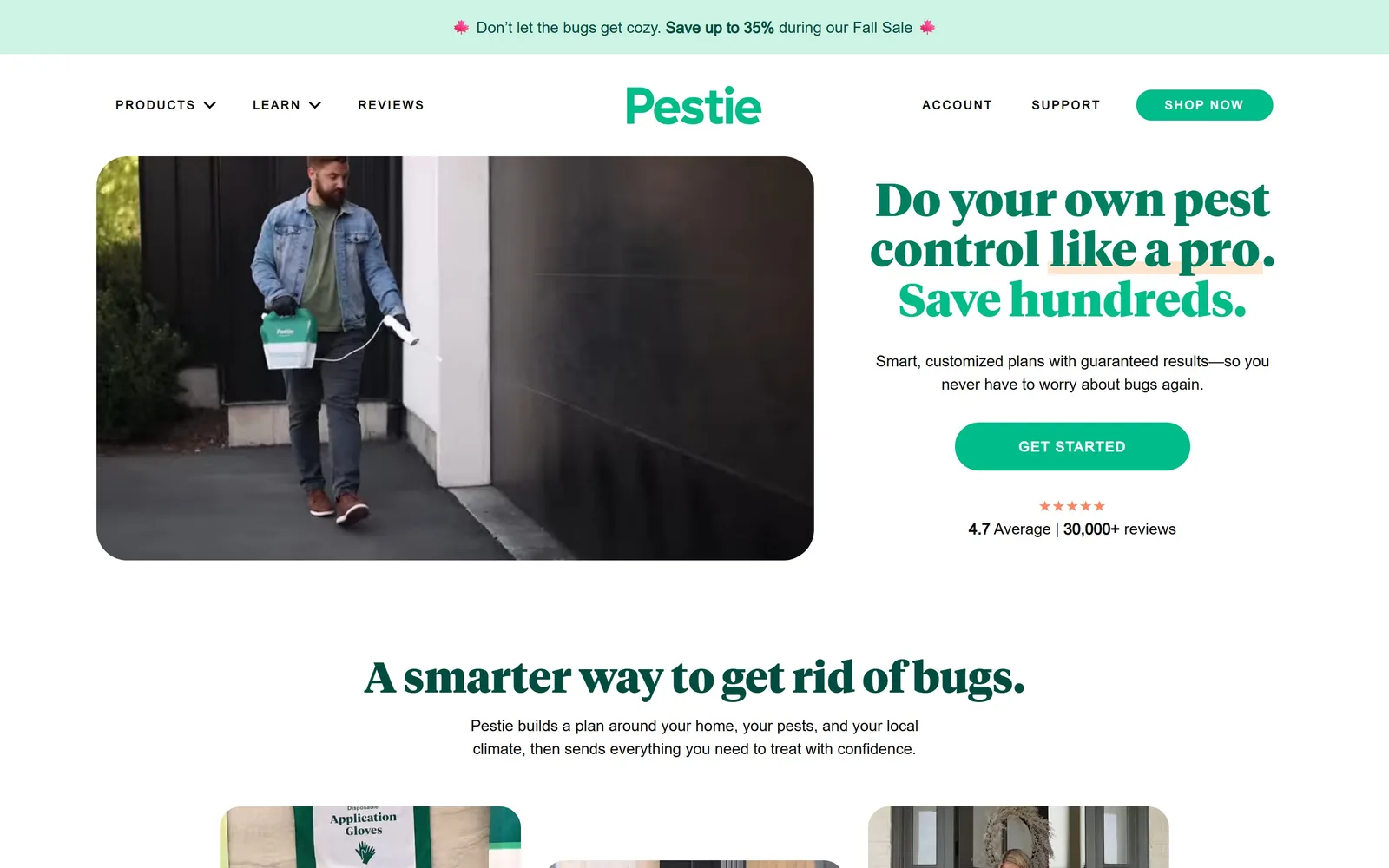
Pest Control Website Design
Everyone reaches for the same green or red. Twelve companies whose pest control website design looks considered before a visitor reads a word.
12 sitesFour or five vendors own this category
Open fifteen roofing sites at random and you will see the same page: navy header, orange button, a stock photograph of shingles, a yellow badge claiming an award nobody can name. The same is true in plumbing, in pest control, and most of all in residential electrical, where the design vacuum is close to total. That is not a coincidence. A handful of lead generation companies sell the same build to the whole trade, swapping the logo and the phone number.
So the bar is lower than it looks. A contractor who makes three or four deliberate choices is instantly in a different class of site, and the ones collected here show which three or four are worth making.
Colour is the cheapest way out of the template
The quickest tell that a site was designed is a palette the category does not use. Rhino Roofers runs black and hard yellow where everyone else runs navy and orange. Skender puts one red against black and spends it on two buttons. BlocPower fills the screen with electric violet and does not put a bolt, a spark or a safety vest anywhere near it. Pestie abandons green and red entirely and comes out looking like a skincare subscription.
What they share is restraint about where the colour lands. In almost every site on these six pages, the accent appears on the button, in one word of the headline, and nowhere else. Western Specialty Contractors runs a near monochrome photograph of a man in a hard hat and drops a single violet button on top of it. One colour, one job.
Your own photographs beat better type
Construction and landscaping start ahead here because the finished work photographs well, and the best sites in those two galleries trust it completely. Peter Dab shows one shot of a cedar shingle canopy over the sea and writes no headline at all. Hocker puts an ivy wall on the screen with two windows cut into it and not one word of text. Dowbuilt splits the screen in half, craftsman on the left in black and white, house at dusk in colour on the right.
Roofing and plumbing have the harder problem, and the sites that solve it shoot their own building, their own vans, their own crew. Wagner Roofing fills the frame with a new copper standing seam roof in full sun. Texas Quality Plumbing frames a crew photograph like something off a tin sign. Stock photography reads as stock photography to a homeowner within about a second, and once it does, everything else on the page is downgraded with it.
The electrification brands are rewriting the category
The HVAC gallery is the clearest split on the site. On one side are venture funded heat pump, geothermal and controls companies that design like hardware brands: Quilt photographs a wood fronted mini split above a white serif headline, Harvest Thermal stands a thermal battery with orange ports on a plinth in raking daylight, Dandelion draws a cornflower illustration of a house and its borehole. On the other are union mechanical contractors who have been piping buildings since the 1920s and still lead with a project photograph and a stat band.
What the trade should take from it is that the product companies are winning the design argument by treating the equipment as the subject. A heat pump photographed properly is a better hero than a van, a crew or a thermometer graphic, and almost nobody in residential HVAC is doing it.
The page has to ask for the job
A contractor site has one purpose and it is the phone ringing. The sites here do it without shouting. Call Thelen sets cream capitals so large the headline runs off the bottom of the screen, then puts the number where your thumb already is. On the contractor pages the pattern that repeats is simpler still: one button, one phone number, both visible before the first scroll, and no second competing ask.
The thing to carry into your own brief is the order. Decide the one action first, then the photograph that makes somebody want to take it, then the type, then the colour. Most contractor sites are built in exactly the reverse order, which is why they all look the same.
Start with construction if you want to see how little a page can get away with, roofing if you are trying to escape a palette, and plumbing if you need the phone to ring.
The other sectors: Local Services, for moving company website design among others; Health & Wellness, for medical website design among others; and Small Business, for accounting website design among others.